Tribute to My Great Grandfather Rev. Philip M’Inoti (1895-1952)
Rev. Philip M’Inoti (1895-1952): Methodist pioneer, Bible translator, First Meru published author, Njuri Ncheke elder and strict colonial chief!
My Introduction
A few years ago, around 2017, I found out about the great mark my great-grandfather made in the spread of Christianity among the Ameru (the Kenyan tribe I belong to). No one had ever told me any of this growing up, and it shocked me because it is a great heritage. After digging more from his remaining son, I found out more and more about him, which is also recorded in online Methodist journals. But it also made me sad how great men are forgotten by their families if they don’t follow the ways of God and their history is not passed down. Solomon mentions this in Ecclesiastes 2:18-23.
For me, discovering these great things about my great-grandfather made me understand a lot about myself, my love for the word of God, writing, and some of the great providences I have enjoyed despite my earlier sinful life. It’s funny how ancestors we knew nothing about can so impact our lives. I am the 4th generation from him.
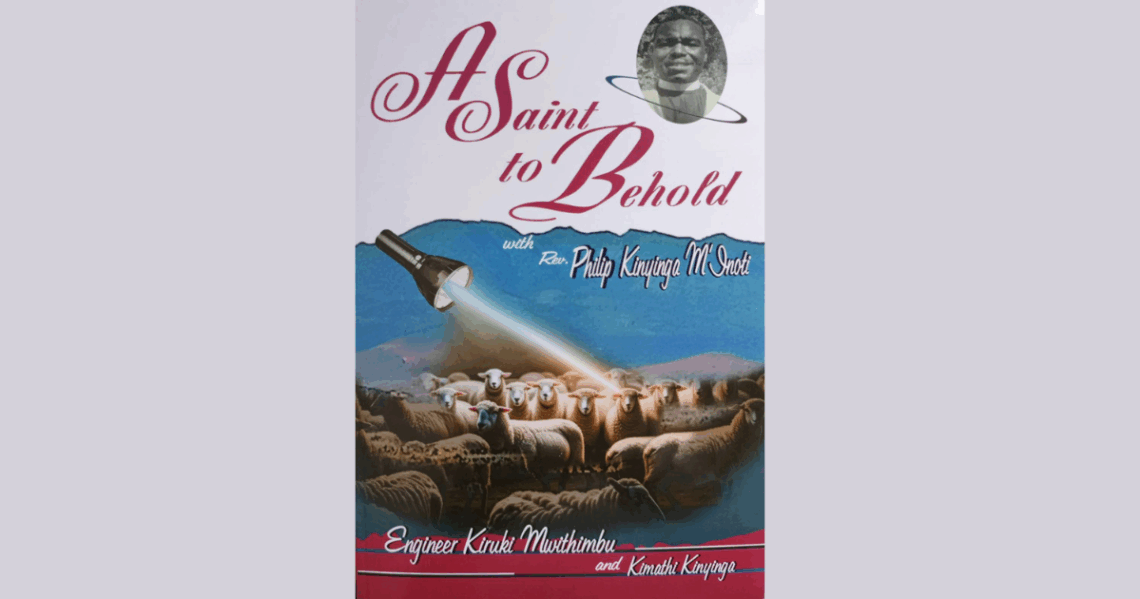
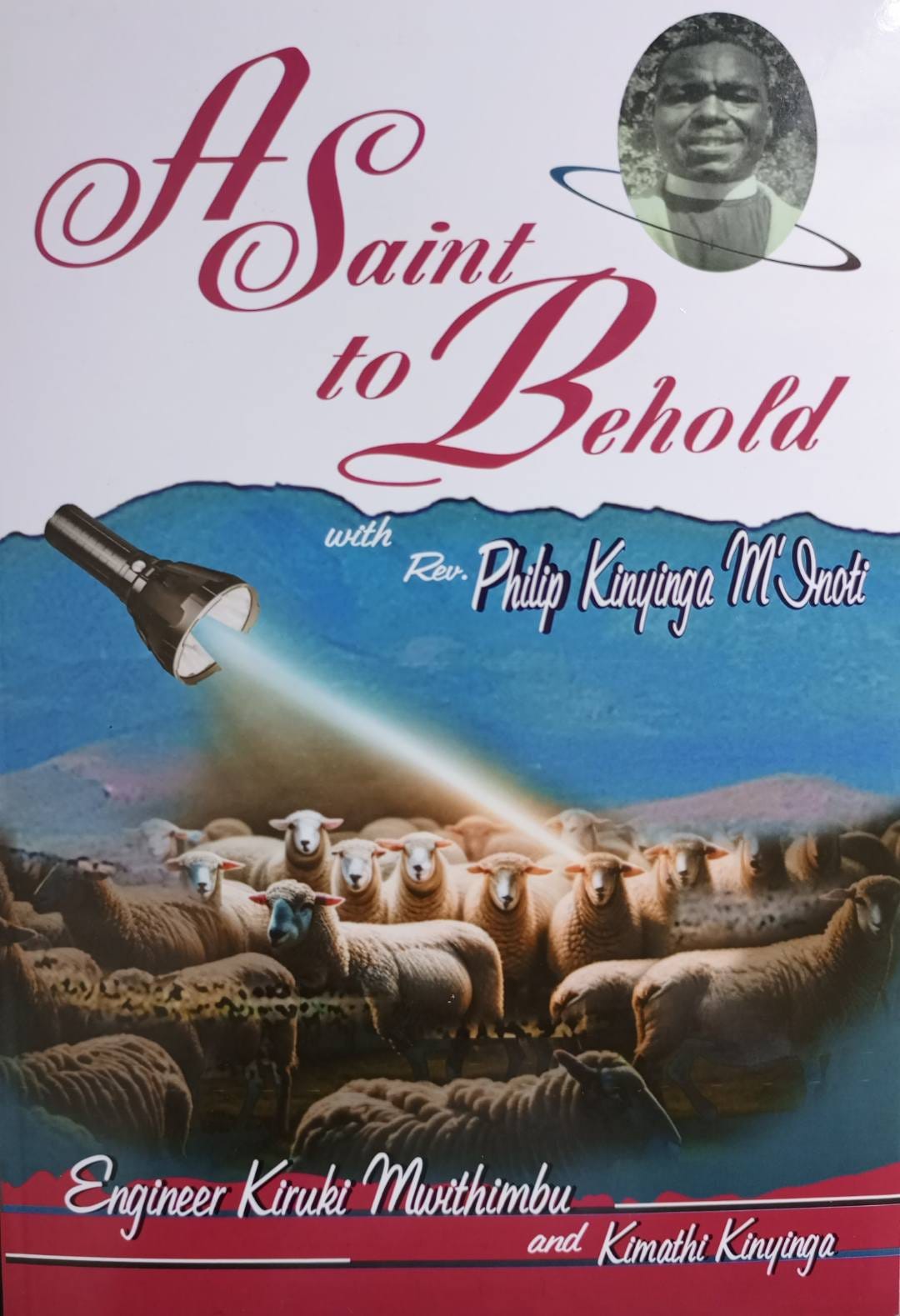
Some of the information below is from a book his youngest son (my grandfather’s brother) has written about him called ‘A Saint to Behold’, and online sources.
My great-grandfather, born in 1895, was one of the first converts to Christianity among the Meru tribe as a teenager around 1913. He was the first African Methodist minister in Meru and was the first published author among the Ameru, publishing his first book in 1931 (Asili ya Wameru na Desturi zao). He pioneered the translation of the Hymn Book and Bible to the Meru language, starting with the Gospel of Mark in 1940, for which he was presented a certificate by the British and Foreign Bible Society, London, in 1941. He was instrumental in establishing Methodist churches all over Meru and Isiolo. He was also a paramount chief.
“The lines are fallen unto me in pleasant places; yea, I have a goodly heritage.” Psalm 16:6
Who Was Rev. Philip M’Inoti?
Methodist pioneer and cultural leader in Meru, Kenya.
- Full Name: Philip Kinyinga M’Inoti
- Born: Around 1895
- Died: 1952 (in a road accident)
- Also Known As: Biribu (a local corruption of “Philip”) (Nation Africa)
Rev. Philip Kinyinga M’Inoti achieved several historic firsts as a religious and cultural pioneer in Kenya, particularly among the Meru people. Here’s a breakdown of his key “firsts”:
His Key Achievements
- First Meru to be ordained as a Methodist minister Marked the indigenization of church leadership; he was the first from the Meru ethnic group to be formally ordained into the Methodist clergy. 1934
- First known Meru author Wrote Asili ya WaMiiru na Desturi Zao (“The Origin and Customs of the Meru”) — the first book ever written by a Meru person. 1931. He authored several Kimiiru books as well.
- First African leader of the Kaaga Mission Took over local leadership of the Kaaga Methodist mission, previously run by European missionaries. 1930s
- First translator of the Bible into Kimiiru Played a key role in the first translation of the Bible into the Meru language (Kimiiru), officially recognized by the British and Foreign Bible Society. Recognized in 1941. In 1940 he translated the Gospel of Mark into Kimiiru; this was the first Bible book translated into the Meru language. He also translated the Methodist Hymn Book.
- First to introduce oath-taking using the Bible in Meru Replaced traditional goat-based oaths with Christian-style swearing on the Bible — called “Njuri ya Mauku.” Late 1940s
- First ordained Methodist who also served as a Chief in Meru Became Chief of Miiriga Mieru in 1948 while maintaining religious and cultural leadership roles — a rare combination. 1948–1952
His Role in Meru and Methodist Church
- M’Inoti was one of the earliest African converts in Meru and played a foundational role in the growth of the Methodist Church in the region. (Nation Africa, 1Library)
- He survived a dramatic incident in 1914 when a church mission was set ablaze by Meru warriors opposed to the new religion—he was among only five survivors from a burned dormitory housing 11 youths. (Nation Africa)
Education & Ministry
- In the 1920s–1930s, M’Inoti promoted education, playing a central role in the establishment of Kaaga Girls School and Meru Teachers College. (Nation Africa)
- He authored cultural works including Asili ya WaMiiru na Desturi Zao (1931), the first book written by a Meru, and contributed to the Bible translation into Kimiiru, recognized by the British Foreign Bible Society in 1941. (Nation Africa, methodistkaagasynod.org, 1Library)
Leadership & Cultural Roles
- In 1934, M’Inoti became the first Meru Methodist Church minister—a milestone in local leadership. (Nation Africa, Methodist Heritage)
- Beyond his religious calling, he served culturally and administratively as:
- Njuri Ncheke elder
- Chief of Miiriga Mieru (from 1948 to 1952) (Nation Africa)
- He worked with colonial administration as a chief and used his influence to uphold cultural norms—for example, introducing “Njuri ya Mauku,” which replaced traditional oaths (historically taken using a he-goat) with swearing on the Bible. (ResearchGate)
Legacy & Impact
- M’Inoti walked a delicate line: he was described as “an ally of colonial administrators” while simultaneously preserving aspects of Amiiru culture, promoting literacy, faith, and local governance. (Nation Africa)
- Many of his unpublished manuscripts were taken to institutions in the UK and the U.S., resulting in a significant loss of local historical materials. (Nation Africa)
- His legacy is embodied in institutions that continue to serve the community: Kaaga Mission—where he served—has grown to house Kenya Methodist University’s main campus, schools, and Maua Level Five Hospital. (Nation Africa, methodistkaagasynod.org)
- The biography “A Saint to Behold — With the Reverend Philip Kinyinga M’Inoti” by Kiruki Mwithimbu and his son Kimathi Kinyinga chronicles his life and context—offering deep insight into Meru’s religious and social transformation. It was published in 2023. (Nation Africa, marymartin.com)
Summary
- Name: Philip Kinyinga M’Inoti (“Biribu”)
- Born / Died: ~1895 – 1952
- Ministry: Ordained Methodist minister (1934)
- Cultural Roles: Njuri Ncheke elder, Chief of Miiriga Mieru (1948–1952)
- Contributions: Education (Kaaga Girls, Teachers College), local literature, Bible translation
- Legacy: Influential pioneer in Meru; captured in a 2023 biography and remembered through institutions like Kenya Methodist University and Maua Hospital
Final Thoughts
Philip M’Inoti stands out as a remarkable figure bridging faith, culture, and colonial power. As an African pioneer minister, community leader, cultural preserver, and advocate for education, his life embodies the complexities and opportunities of Kenya’s colonial era.
Note: This article includes content generated with assistance from ChatGPT (OpenAI) on August 28, 2025. It synthesizes information from publicly available sources, including Nation Africa, Methodist Kaaga Synod, 1Library.net, and the family biography A Saint to Behold by Kiruki Mwithimbu and Kimathi Kinyinga.
My Summary
Learning about my great-grandfather has helped me better understand my roots, my faith, my personality, and my place in a long story of spiritual heritage. It has encouraged me to soldier on in my faith and follow his bold trailblazing example and pursue the things I desire to do for God’s kingdom without fear. It has also helped me better appreciate myself by recognizing traits (positive and negative) we have in common. His life is a reminder that faith and courage can echo across generations and that even if the world or even family forgets, God does not.
If this article blesses you, please share it with your friends, on your socials, and with anyone who needs to know Jesus Christ.
Are you born again? Do you have eternal life?
Have you given your life to Jesus Christ to be your Lord and Savior? He loves us so much that he, our creator, left heaven and came to earth, dying for us on the cross, taking our sins upon him so that we may be forgiven and receive his righteousness. He conquered death by rising from the dead and made a way for us who were dead in sin to be reconciled back to the Father (God). What’s more, he has prepared a wonderful home for us in heaven, where those who love him and obey him will spend eternity with him. Learn more here about how to be born again and have eternal life after this brief life on earth.
Subscribe below and join the hundreds of subscribers who receive regular, edifying teachings and updates from Mwendwa straight to their inbox! Never miss a thing!


You May Also Like

Opinions of Men Will Not Get You to Heaven
The Lost Virtue of Modest Dressing in Modern Churches